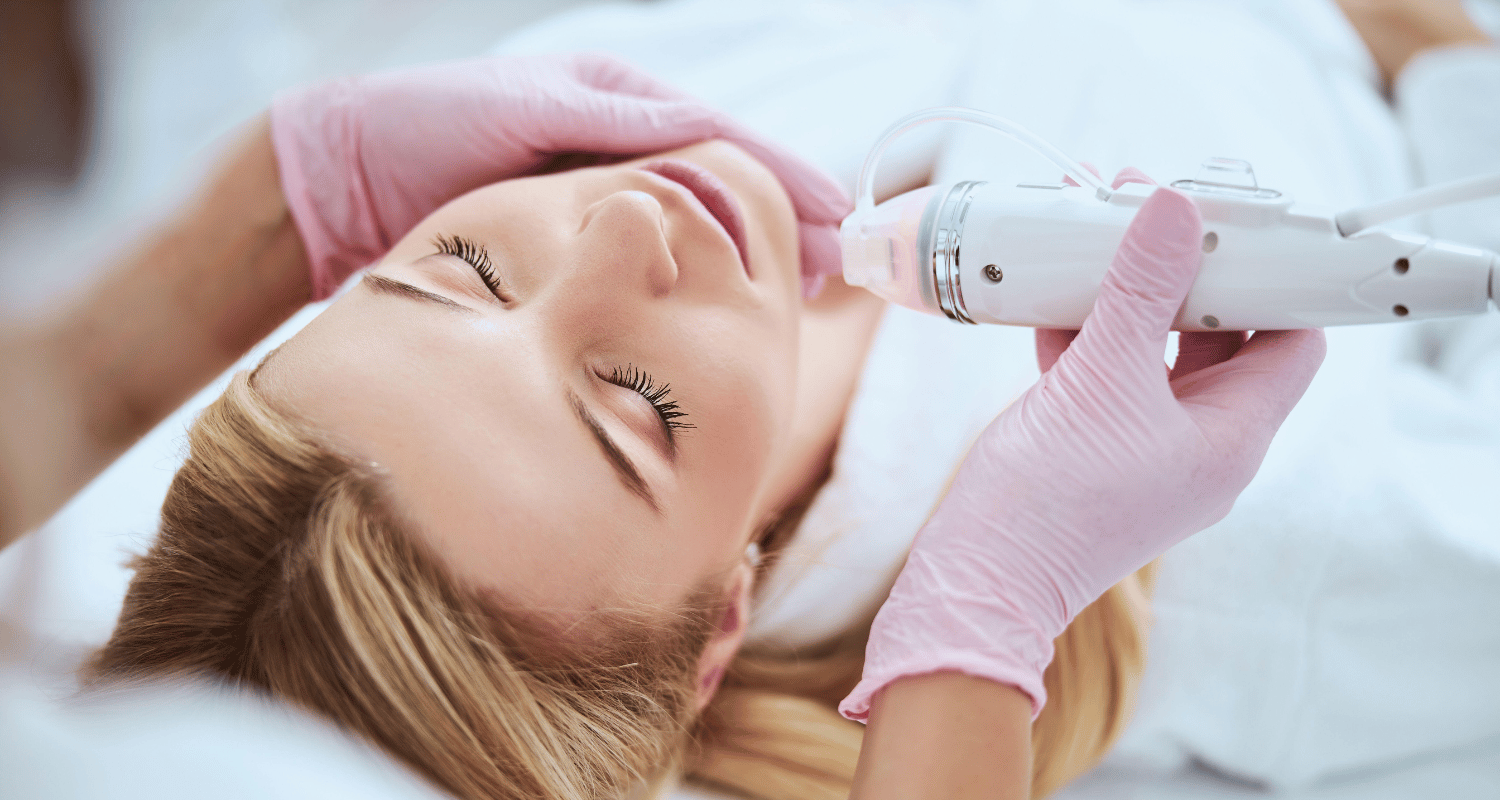
RF Microneedling vs Laser Resurfacing in Korea
RF Microneedling vs Laser Resurfacing in Korea
Many international patients visiting Seoul for skin rejuvenation, acne scars, texture improvement, or anti‑aging often ask:
“What’s the difference between RF Microneedling and Laser Resurfacing?”
“Which treatment is better for my skin concerns like scars, wrinkles, or texture?”
Both RF‑based microneedling and laser resurfacing are popular in Korea, but they work in distinct ways and are appropriate for different skin issues, downtime tolerances, and aesthetic goals.
What Is RF Microneedling?
SEO keywords: RF microneedling Korea, microneedling RF Seoul, fractional RF Korea
RF Microneedling (Radiofrequency Microneedling) involves inserting tiny needles into the skin while delivering controlled RF energy into the dermis.
The RF energy heats deeper layers without ablating (removing) the surface, stimulating collagen and elastin production while minimizing surface injury.
Common brand technologies include Potenza, Secret RF, Infini, Sylfirm X, and others.
✔ Best For:
- Mild to moderate acne scars
- Fine lines and wrinkles
- Enlarged pores
- Mild skin laxity
- Uneven texture
- Post‑inflammatory pigmentation tendencies
✔ Advantages:
- Non‑ablative → no skin surface removal
- Stimulates natural collagen remodeling
- Lower risk of pigmentation rebound (especially in Asian skin)
- Shorter downtime than ablative lasers
- Good for sensitive or reactive skin
✔ Downtime:
- Redness & swelling for ~1–3 days
- Mild tenderness
- Light dryness/roughness
RF Microneedling is ideal for patients who want improvement with minimal downtime and lower risk of thermal complications.
What Is Laser Resurfacing?
SEO keywords: laser resurfacing Korea, fractional laser Seoul, CO₂ laser Korean clinic
Laser Resurfacing uses focused laser energy to remove (ablative) or thermally damage (non‑ablative) microscopic columns of skin.
Ablative lasers (like CO₂ or Er:YAG) remove surface layers and have deeper remodeling effects; non‑ablative fractional lasers (like Fraxel Dual) heat the dermis without removing the surface.
Examples of laser resurfacing technologies in Korea include Fractional CO₂, Er:YAG, Fraxel, and Pixel/ResurFX.
✔ Best For:
- Moderate to severe acne scars
- Deep wrinkles
- Sun‑damaged or thickened skin
- Pronounced texture irregularities
- Significant laxity
✔ Advantages:
- Greater ability to remove damaged surface tissue (especially ablative lasers)
- Stronger collagen stimulation
- Dramatic results for deeper concerns
- Options for both surface (tone, sun damage) and deep remodeling
✔ Downtime (Varies by Laser Type):
- Ablative (CO₂ / Er:YAG): 5–14+ days of redness, peeling, crusting
- Non‑ablative (Fraxel, ResurFX): 1–5 days of redness & mild peeling
Laser Resurfacing is ideal for deeper skin concerns where more dramatic restructuring is needed and the patient can allow longer downtime.
Which Treatment Is Better?
The best choice depends on your primary concern, depth of skin issue, and downtime tolerance:
- RF Microneedling is excellent for mild–moderate texture, enlarged pores, early aging, and sensitive skin, offering improvement with less downtime and lower risk of pigmentation issues — especially important for Asian skin types often treated in Seoul clinics.
- Laser Resurfacing (especially ablative) is more effective when you need dramatic improvement — such as deep acne scars, deep wrinkles, or thick sun‑damaged skin — and you are comfortable with a longer recovery period.
Can You Combine RF Microneedling and Laser Resurfacing?
Yes — many dermatologists in Seoul use sequenced or combination protocols for enhanced results:
- Start with RF Microneedling to improve baseline texture and stimulate collagen
- Then introduce Laser Resurfacing (non‑ablative or light ablative) for deeper remodeling
- Supportive care like LED therapy, PRP, or skin boosters can further enhance healing
This layered strategy balances gradual improvement, deep remodeling, and manageable downtime.
Who Should Choose RF Microneedling?
- Mild scars
- Fine lines & early aging
- Enlarged pores
- Sensitive or pigment‑prone skin
- Minimal downtime preference
Who Should Choose Laser Resurfacing?
- Moderate–severe acne scars
- Deep wrinkles
- Pronounced photoaging
- Thickened texture issues
- Patients willing to allow extended recovery
If You’re Visiting Seoul for a Short Trip (2–3 Days)
SEO keywords: short Seoul skincare trip, RF microneedling Korea
Choose:
- RF Microneedling
- Low‑density or non‑ablative resurfacing
Avoid:
- High‑density ablative laser resurfacing
Quick Summary
RF Microneedling Korea
- Needles + RF heat for deep remodeling
- Mild–moderate scars & wrinkles
- Minimal downtime
- Lower pigmentation risk
Laser Resurfacing Korea
- Ablative or non‑ablative lasers
- Moderate–severe scars & deep wrinkles
- Stronger results
- Moderate–longer downtime
Final Takeaway
If your goal is skin rejuvenation with limited downtime and lower thermal risk, RF Microneedling in Korea is often ideal.
If you want more dramatic resurfacing and deeper scar or wrinkle correction, Laser Resurfacing may be more suitable.
The best results come from a personalized plan designed by an experienced Korean dermatologist who evaluates your skin concern, sensitivity, and recovery goals.